Hair, beard, and eyebrow transplantation are medical procedures based on the same fundamental principle, yet they differ significantly in terms of application, planning, and expected outcomes. All three procedures involve transplanting the patient’s own hair follicles into areas with thinning or absence of hair. However, since each area has different anatomical and aesthetic characteristics, the transplantation process is adapted accordingly.
Hair transplantation is most commonly performed to treat permanent hair loss caused by genetic factors. Hair follicles that are resistant to hair loss are taken from the donor area, usually at the back of the head, and transplanted into bald or thinning areas. The main goal of hair transplantation is to restore density over larger areas and design a natural hairline that suits the individual’s facial structure. For this reason, hair transplantation typically involves a higher number of grafts and a longer procedure time compared to other transplant types.
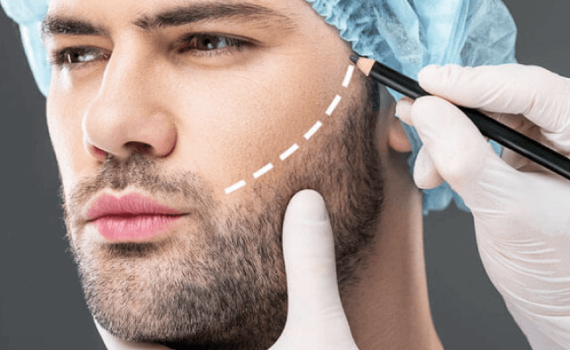
Beard transplantation is performed to address sparse growth, gaps, scars, or asymmetry in the beard area. The hair follicles used are usually taken from the donor area at the back of the head. One of the most critical aspects of beard transplantation is ensuring the correct angle and direction of hair growth. An incorrect implantation angle can result in an unnatural appearance. Therefore, beard transplantation requires more precise planning and is generally performed with fewer grafts than hair transplantation.
Eyebrow transplantation is one of the most detail-oriented transplant procedures from an aesthetic perspective. Since the eyebrow area is highly delicate, the direction, angle, and density of the transplanted hairs are extremely important. Fine hair follicles are typically preferred for eyebrow transplantation to achieve a natural look. Although the procedure is shorter in duration, it requires a high level of expertise and meticulous planning to ensure symmetry and harmony with facial features.
All three procedures—hair, beard, and eyebrow transplantation—are usually performed under local anesthesia. However, the recovery process may vary depending on the treated area. Hair transplantation generally allows for a more comfortable healing period, while beard and eyebrow transplantation require extra care due to facial movements and sensitivity. Temporary shedding, known as shock loss, may occur after all three procedures and is considered a normal part of the healing process.